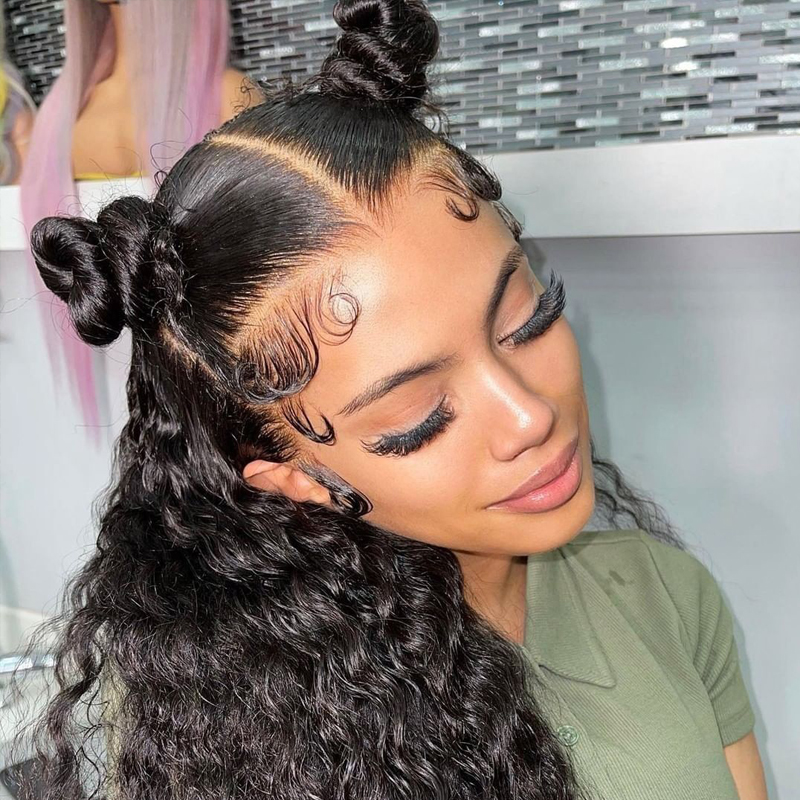
 yuzhougracehair

Wigs have long been cherished for their ability to transform and enhance one’s appearance. The art of wig production is a meticulous craft that combines artistry, creativity, and technical expertise. This article delves into the intricate process of wig making, highlighting the craftsmanship and attention to detail required to create these remarkable hairpieces.
1. Raw Material Selection:
The journey of wig production begins with the careful selection of raw materials. High-quality human hair or synthetic fibers are chosen based on their texture, color range, and durability. Meticulous consideration is given to match the natural hair characteristics and ensure a seamless integration with the wearer’s existing hair.
2. Wig Cap Construction:
The foundation of a wig lies in its cap construction. Various cap styles, such as full lace, lace front, or monofilament, are meticulously crafted to provide comfort, breathability, and a natural-looking hairline. Skilled wig artisans intricately hand-sew each strand of hair onto the cap, ensuring a secure and realistic attachment.
3. Hair Ventilation Techniques:
The process of ventilating hair involves meticulously knotting individual strands of hair onto the wig cap. This technique, often referred to as knotting, can be done by hand or by using specialized tools. Wig makers skillfully employ different knotting methods, such as single-knot or double-knot techniques, to achieve a natural-looking density and realistic hair movement.
4. Customization and Styling:
Wigs can be customized to meet the unique preferences of each wearer. Skilled wig makers expertly cut, style, and shape the wig to create the desired look. This includes blending different hair lengths, adding layers, and creating realistic hair textures. The customization process ensures that the wig harmoniously complements the wearer’s facial features and personal style.
5. Quality Assurance:
A commitment to quality is paramount in wig production. Each wig undergoes rigorous quality control checks to ensure a flawless end product. This includes scrutinizing the hair density, checking for any loose strands, and evaluating the overall craftsmanship. By adhering to stringent quality standards, wig makers ensure that every wig meets or exceeds customer expectations.